


|
|
books
| book details |
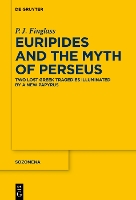
Euripides and the Myth of Perseus: Two Lost Greek Tragedies Illuminated by a New Papyrus
By (author) Patrick Finglass
|
| on special |
normal price: R 5 064.95
Price: R 4 557.95
|
| book description |
A recently-published second-century papyrus, P.Oxy. 5283, contains prose summaries (hypotheses) of six plays by the Greek dramatist Euripides, including two lost plays depicting the hero Perseus, Dictys and Danaë. This book demonstrates the significance of this discovery for our understanding of Greek tragedy. After setting out the mythological and dramatic context, and offering a new text and translation based on autopsy, the book analyses the light which the papyrus sheds on these plays, whose narratives, centred on female resistance to abusive male tyrants, speak as powerfully to us today as they did to their original audiences. It then investigates Euripides’ tragic trilogy of 431 BC, which ended with Dictys and began with Medea, whose dramatic power now stands in sharper focus given our improved understanding of the production in which it originally appeared. Finally, it ponders the purpose which these hypotheses served, and why readers in the second century AD should have wanted a summary of plays written more than half a millennium before. All Greek (and Latin) is translated, making the book accessible not just to classicists, but to theatre historians and to anyone interested in Greek literature, drama, and mythology.
| product details |

Normally shipped |
Publisher | De Gruyter
Published date | 6 Aug 2024
Language |
Format | Hardback
Pages | 181
Dimensions | 230 x 155 x 0mm (L x W x H)
Weight | 395g
ISBN | 978-3-1113-8169-5
Readership Age |
BISAC | literary criticism / ancient & classical
| other options |
|
|
To view the items in your trolley please sign in.
| sign in |
|
|
|
| specials |
|
|
|
|
Mason Coile
Paperback / softback
224 pages
was: R 517.95
now: R 465.95
|
A terrifying locked-room mystery set in a remote outpost on Mars.
|
An epic love story with the pulse of a thriller that asks: what would you risk for a second chance at first love?
|
|
|
|
